Will a Crypto Casino Show My Payment Details Publicly?
If you’re dipping your toes into crypto casinos like MrQ, you might wonder: will my payment details be visible to the public? Understanding how deposits and withdrawals work, the role of crypto wallets, and the nuances of blockchain transparency can help you make safer, smarter choices. In this article, we’ll unpack these details with practical clarity—no vague promises or glossing over risks.
Fiat vs. Crypto Deposit and Withdrawal Flow
First, let’s distinguish how traditional (fiat) money and cryptocurrency flow in and out of a crypto casino. These differences matter because they impact privacy, transaction speed, and fees.
Fiat Transactions: Standard Banking Gateways
When you deposit or withdraw pounds (GBP) or dollars (USD) at a crypto casino, the process usually involves your bank or card provider. According to the Bank of England, banks adhere to https://xn--toponlinecsino-uub.com/how-can-i-tell-if-a-casino-is-uk-facing-and-regulated/ strict privacy standards, meaning your account number and transaction amounts are only visible to your bank and the casino’s payment processor—not the general public.
This method is straightforward but often slower and involves fees imposed by banks or card networks. Withdrawals can take a few business days, depending on your bank and the casino.
Crypto Transactions: Blockchain Transparency and Wallet Responsibility
With crypto deposits and withdrawals, things get more complicated. Unlike fiat, every transaction is recorded on the public blockchain, a transparent ledger where anyone can look up details like amounts, sending and receiving addresses, and transaction timestamps.
Here’s the catch: while blockchain addresses aren’t tied to personal names, this “pseudonymity” means your wallet activity is entirely searchable. If your wallet is linked to your identity anywhere—via exchanges, public profiles, or previous transactions—your activity can potentially be traced.
- External Crypto Wallets: This is where you control your private keys and funds. You’re responsible for keeping your keys secure; lose them, and you lose access.
- Exchanges: Platforms like Coinbase or Binance handle crypto for you but require identity verification (KYC). Deposits and withdrawals from exchanges could expose your identity to the casino or third parties if proper privacy measures aren’t taken.
When you deposit crypto into a casino like MrQ, the casino sees the wallet address you sent from and can trace your transaction on the blockchain. Withdrawals work similarly. If someone else knows your wallet address, they can look up all related transactions publicly.
Public Blockchain Visibility: What Details Are on Display?
Understanding public blockchain visibility is key to answering whether your payment details will be public at a crypto casino.
Transaction Element Visibility on Blockchain Who Can See It? Privacy Implications Wallet Addresses (Sender & Receiver) Publicly visible Anyone with internet access Pseudonymous but traceable if linked to you Transaction Amount Publicly visible Anyone Reveals how much is sent/received Timestamp Publicly visible Anyone Shows when transaction happened Transaction Fees Publicly visible Anyone Displays network fees paid Your Identity (Name, Bank Account) Not on blockchain Only known to exchange or bank Not publicly accessible via blockchainTo put it simply: yes, your transaction details are searchable on the blockchain. However, personal identifying information like your name or bank details do not appear there. That said, if you’ve associated your wallet address publicly or with exchanges that hold your ID, your transactions can sometimes be traced back to you.
Wallet Activity Lookup: How Easily Can Someone Track You?
Anyone can enter a wallet address into a blockchain explorer (such as Etherscan or Blockchain.com) and see all transactions made by that address. This means if a crypto casino like MrQ pays out to your crypto wallet, that transaction is visible to anyone who knows or guesses your wallet address.
Wallet activity lookup is a double-edged sword. It’s good for transparency but bad for privacy if you don’t take precautions. Common mistakes that expose your activity include:
- Reusing wallets for multiple services
- Linking your wallet address on social media or websites
- Using exchanges without privacy controls
To maintain privacy, many users separate their funds into multiple wallets and withdraw funds via exchanges with strict privacy policies. But keep in mind, exchanges implement identity checks as mandated by financial regulators. This means your identity is known to them—even if the blockchain is public and pseudonymous.
Fees, Congestion, and Confirmation Times: What You Should Know
Blockchain transactions don’t happen instantly. Network congestion can slow down confirmation times, especially on busy blockchains like Bitcoin or Ethereum.
Factor Typical Impact Network Fees Variable; can spike during congestion (sometimes tens of dollars per transaction) Transaction Confirmation Times Minutes to hours depending on congestion and fee paid Exchange Fees Trading fees (buy/sell) and withdrawal fees applyWhen navigating withdrawals or deposits via crypto exchanges, expect to pay fees for trading and withdrawals. These add to your cost and delay final access to funds.

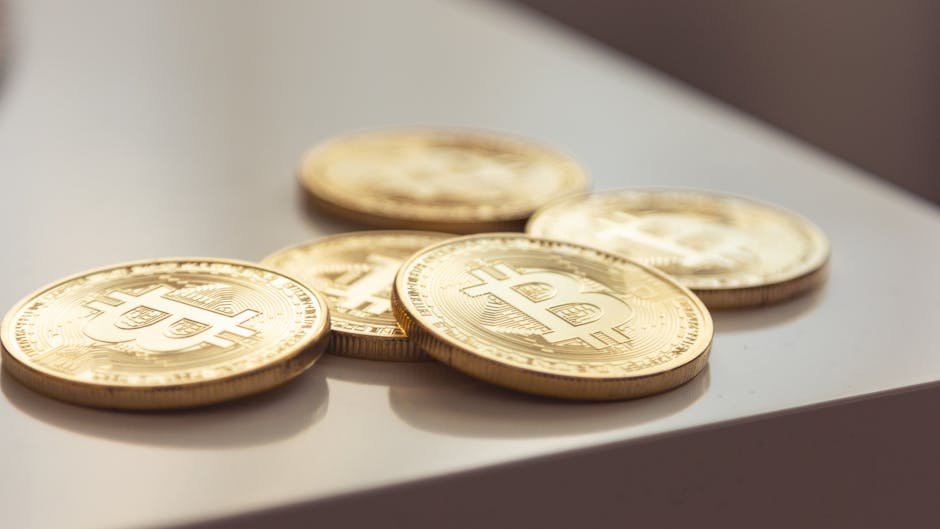
Volatility vs. Stability: Pounds, Bitcoin, and Stablecoins
One reason why many players prefer fiat deposits and withdrawals is currency stability. As the Bank of England and many institutions note, GBP is much less volatile than cryptocurrencies like Bitcoin.
Crypto volatility means your casino winnings can lose or gain value significantly between the moment of withdrawal and when you convert them to fiat. To hedge this, some casinos and wallets support stablecoins—cryptocurrencies pegged to fiat currencies. Examples include USDT or USDC on Ethereum.
Stablecoins combine crypto’s blockchain transparency with a more predictable value. But note that fees, confirmation times, and public blockchain visibility all still apply.
Summary: Should You Worry About Payment Details Showing Publicly?
To wrap up:
- Fiat payments: Private transaction info shared only between banks and casino; no public visibility.
- Crypto payments: Wallet addresses, amounts, and times are publicly recorded on blockchain and searchable.
- Privacy depends on wallet use: If you keep wallet addresses private and separate, risks lessen; linked wallets can be traced.
- Using exchanges: Identity verification is mandatory, reducing your privacy from the exchange’s perspective.
- Fees and delays: Crypto transactions aren’t “instant.” Watch for network congestion, fees, and confirmation times.
- Volatility: Crypto value can swing, impacting the real-world worth of winnings; stablecoins offer more price stability.
Understanding these points makes you better equipped to decide on payment methods when playing at places like MrQ or any other crypto casino. For detailed guides beyond this, DimensionsPoint.com offers clear, practical explainers on navigating finances and tech safely—no hype, just facts.
What Happens If Something Goes Wrong?
Your wallet security is non-negotiable. Losing your private key means losing access to your funds with no recourse—a harsh reality many newcomers overlook. Moreover, the public nature of blockchain means a mistaken payment address or a scam token purchase is irreversible.
If you accidentally send crypto to the wrong wallet or https://varimail.com/articles/what-does-network-congestion-mean-when-withdrawing-from-a-crypto-casino/ suspect unauthorized access:
- Immediately secure any linked accounts or wallets with new passwords and two-factor authentication.
- Contact the casino support (e.g., MrQ) but know blockchain transactions can’t be reversed like bank transfers.
- Alert your exchange or wallet provider for potential fraud investigation.
- Stay informed about latest security best practices from reputable sites like DimensionsPoint.com.
Final Thought
Crypto casinos offer exciting ways to play and pay, but they come with transparency and security trade-offs you need to manage carefully. Being clear about what payment information becomes public—and taking steps to keep your wallet activity private—puts you in control.
Remember: No magic privacy shield exists on public blockchains. Your best defense is understanding how it all works and proceeding cautiously.