How Do Sportsbooks Set College Football Point Spreads?
If you’re an avid college football fan or a regular bettor, you’ve probably wondered: how exactly do sportsbooks come up with those magic numbers called point spreads? With the Big 12’s electrifying Saturdays and midweek hoops action, understanding how these betting lines form can give you an edge. Whether you’re eyeballing totals or dissecting spread making, it all boils down to a mixture of data, public perception, and some tricky market odds dynamics.
What Are Point Spreads, Anyway?
Before diving deep into how sportsbooks set them, let’s quickly recap what a point spread is. Simply put, a spread is a number — say, Texas -7.5 — that aims to even out a matchup by giving the underdog points and requiring the favorite to win by more than that margin for bettors on that side to win their bet. This way, betting lines try to wrangle the uncertainty of final scores into something more predictable for bettors and sportsbooks alike.
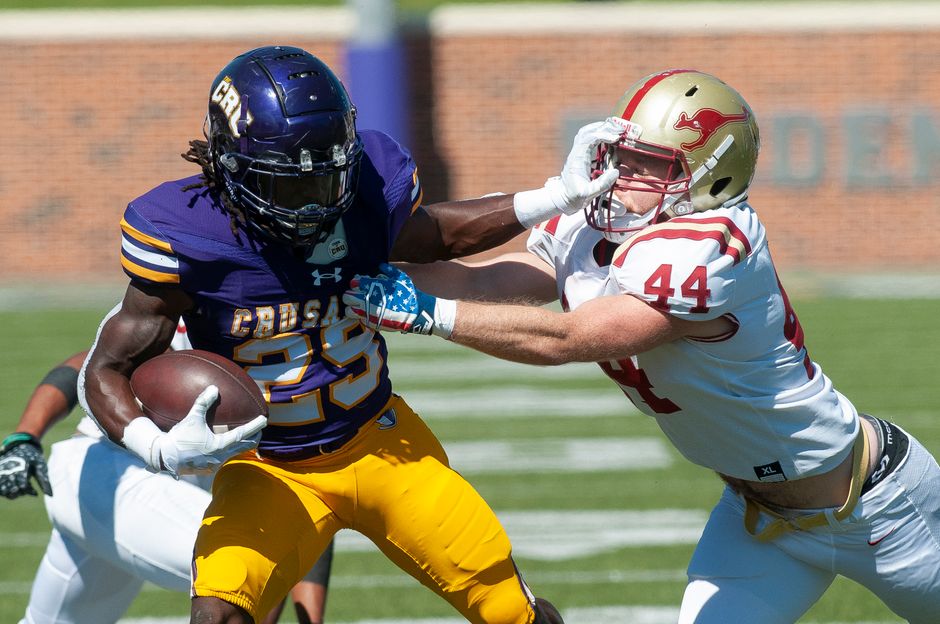
But here’s the kicker: the final score can be wildly different from how a spread plays out for betting purposes. We’ll get back to that.
The Spread Making Process: More Than Picking a Winner
Sportsbooks are in the business of balancing action across both sides of a betting line to guarantee profit regardless of the outcome. That means point spreads are less about predicting exact final scores and more about how the betting public will respond to those numbers.

Step 1: Research & Initial Lines
The process starts with market makers, oddsmakers, and statisticians pulling together a mountain of data. Big-name outlets like the ESPN Sports Betting section provide handy injury flags, https://www.heartlandcollegesports.com/2026/08/12/how-sports-betting-has-changed-the-way-fans-follow-college-games/ expert breakdowns, and advanced analytics that oddsmakers use as inputs — though the sportsbook won’t just copy those numbers verbatim.
- Matchup Research: Includes team stats, home/away splits, recent form, and individual player matchups. Think: how does Oklahoma’s passing game stack against Kansas State’s secondary?
- Film Study & Statistical Analysis: Many sportsbooks employ analysts who break down game tape and incorporate predictive models that factor in pace, efficiency, and situational performance rather than relying on simpler box scores.
- Weather & Context: Yes, weather matters! Wind, rain, or extreme heat can impact scoring, which in turn affects spreads and especially totals (over/under).
Step 2: Setting the Opening Line
Using the research above plus predictive computer models, sportsbooks roll out an opening line. This line aims to approximate that “true” spread — the midpoint between what the bookmaker thinks is fair for both sides before bettor money pours in.
For example, if the oddsmaker’s model says Texas should beat Baylor by about 8 points, they might release an initial spread around Texas -7.5 or -8. But the number isn’t stuck. Bookmakers know this is just a starting point.
Step 3: Watching Market Odds & Betting Action
The magic — and challenge — springs from how bettors react on social media platforms and through betting apps. Sharp bettors, casual fans, and professional gamblers all start placing wagers, sending signals to the sportsbook.
- Line Movement: If a heavy dose of Texas backers jump on right after the opening, the sportsbook may shift the spread to Texas -8 or -8.5 to encourage action on Baylor.
- Balanced Books: The goal is roughly equal money on both sides — that way, the sportsbook’s profit (via the vig or commission) is guaranteed regardless of outcome.
- Social Media Noise: Trends on Twitter, Reddit, or sports forums can influence how casual bettors wager, contributing to line adjustments.
Final Scores vs Betting Outcomes: Why They Don’t Always Mesh
One of the biggest misconceptions is confusing the actual final score with betting outcomes. The spread doesn’t predict “who wins”; it predicts the margin — and how public perception will drive bets.
For example, a team winning “just” by 3 points might be a coin flip for casual fans, but if the spread was -7, bettors on the favorite lose their wagers despite the team winning.
Similarly, blowouts can destroy the spread but leave bettors who backed the underdog with a win if the underdog covers the points. It’s why some bettors obsess over late-game scores once the spread has been covered.
Point Spreads & Late-Game Significance
Late-game situations in spread betting have their own flavor:
- If the favorite is up by 6 with two minutes left and the spread is -7, the favorite hasn’t covered yet — bettors still have skin in the game.
- If the spread is -7.5, even a 7-point lead isn’t enough.
- For totals bettors (over/under), the pace of scoring in those final minutes can cause surprising swings in live betting markets.
Tracking line movement in these moments is crucial for sharp bettors and savvy sportsbooks. I always check the line again about 30 minutes before kickoff — especially in Big 12 games where pace and late scoring are wildcards.
Totals in College Basketball: Pace & Scoring Trends Matter
While our main focus here is football, it’s impossible to ignore that sportsbooks use similar concepts setting totals (aka over/under) in college basketball. The tempo of a game directly impacts how high or low the combined final score likely is.
- Fast-paced teams like Kansas tend to boost totals due to more possessions and scoring chances.
- Defensive specialists or teams that slow tempo can suppress totals.
- Oddsmakers factor in recent matchups, injuries, and even how a team performs on back-to-back games.
These tactics can inform football bettors too, particularly for games expected to be shootouts versus grind-it-out slugfests.
Common Mistakes: Avoid Betting With Your Heart
Confession time: I hate seeing fans bet solely on their favorite team and then call it “research.” That’s viral picks masquerading as facts — a pet peeve of mine. Real spread making is a multidimensional craft that goes well beyond rooting interests or hype tweets.
If you want to build a habit of smart betting, take a lesson from sportsbooks: balance your love of a team with data, matchup insights, weather impacts, and public betting trends.
Summary Table: Key Factors In Spread Making
Factor Role in Spread Making Example Matchup Research Analyzing team stats, strengths, and weaknesses Oklahoma’s passing offense vs Baylor’s secondary Film & Stats Analysis Deeper study of situational performance and pace How a team performs on third downs or red zone Weather Impact Adjusting for wind, rain, or extreme temps Windy conditions reducing passing efficiency Public Betting Trends Shaping market odds based on wager flow Line moves from -7 to -8 as heavy favorite money comes in Social Media Influences Accounting for hype and sentiment swings Twitter buzz about a star QB injuryFinal Thoughts
Setting a college football point spread is a hybrid exercise of math, psychology, and market manipulation. It starts with data-driven matchup research and ends with savvy adjustments responding to betting action. Understanding these layers can help you avoid falling for viral spreads presented as gospel or betting the heart over hard facts.
Remember to always monitor line movement closely — especially in the 30 minutes before kickoff when sportsbooks fine-tune lines based on last-minute info or sharp money — and be mindful of game-day conditions that impact pace and scoring.
Next Big 12 Saturday when you see a spread on ESPN Sports Betting or hear chatter on social platforms, you’ll know there’s an entire ecosystem crafting those odds designed to make the bookies smile — and maybe help you find some edge if you play it smart.