How Do I Set a Fair Line Like “Van 58%” Before I Open a Betting App?
Start with a number, not a name. If your estimate is that Van wins 58% of the time, write down Van 58% before you look at a sportsbook. That is your fair probability: your best estimate of the chance the outcome happens, with no bookmaker margin added. Only after you have that estimate should you compare it with the price on offer.
This is the difference between value vs prediction. A prediction asks, “Who do I think wins?” Value betting asks, “Is the price better than the probability I assign?” You can correctly pick the winner and still make a bad bet if the odds are too short. And you can lose a bet that was worth making because the outcome you backed did not happen this time.
For MMA, the distinction matters. A fight can turn on a cut, a scramble, a bad read, or a single clean shot. Your job is not to pretend those things are predictable. It is to make a defensible estimate, compare it with the market, and pass when the available price does not compensate you for the risk.
What “Van 58%” Means in Practice
“Van 58%” means you estimate Van wins 58 times out of 100 comparable versions of this matchup. The opposing fighter gets the remaining 42%, assuming a two-outcome moneyline market and no draw or void possibility. It does not mean Van is certain to win, or that you should bet https://xn--toponlinecsino-uub.com/how-do-i-shop-lines-when-tsarukyan-is-380-at-one-book-and-325-at-another/ Van at any price.
Convert your probability into fair odds so you can compare it with a sportsbook’s offer. The formula for fair decimal odds is:
Fair decimal odds = 1 ÷ probability
For Van at 58%: 1 ÷ 0.58 = 1.724. In American odds, a probability above 50% converts to a negative number:
Fair American odds = −100 × probability ÷ (1 − probability)
At 58%, that is about −138. In other words, if your estimate is right, −138 is approximately the break-even price before considering any practical concerns. A better price—say, −125—may offer value. A worse price—say, −150—does not, based on your estimate.
Van’s estimated win probability Fair decimal odds Approximate fair American odds 50% 2.00 +100 55% 1.82 −122 58% 1.72 −138 60% 1.67 −150 65% 1.54 −186Build the Estimate Before You See the Price
The hardest part is not the implied probability math. It is making an honest estimate. Odds can anchor you: if a betting app shows Van as a big favorite, it is easy to start describing the matchup in a way that justifies the price. To reduce that effect, make your first estimate before opening the app, then record it with the date and the assumptions behind it.
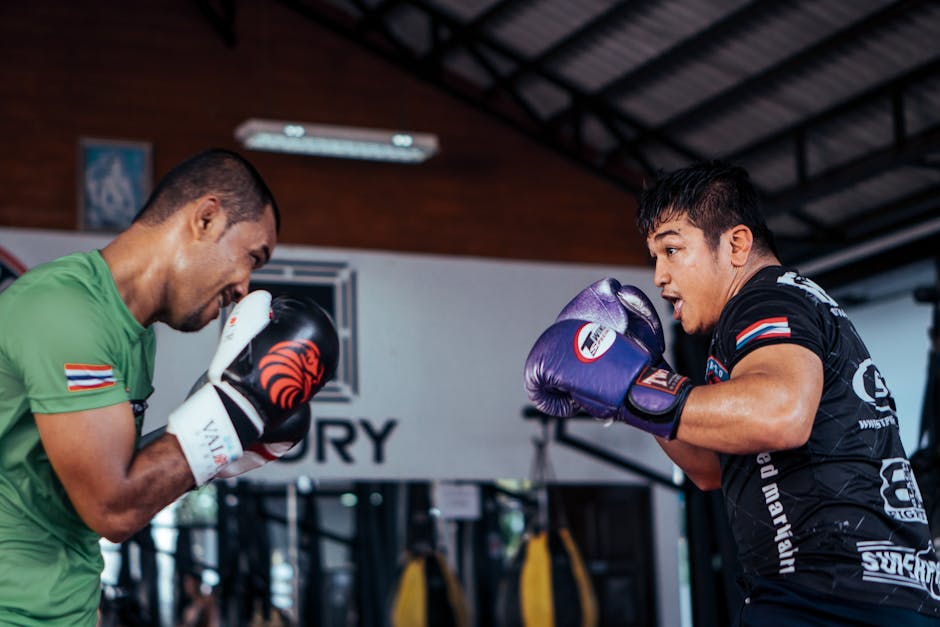
In an MMA matchup, consider the questions that can meaningfully change a fighter’s chance of winning:
- Range and striking: Who can control distance, land cleanly, and avoid being stuck against the fence?
- Wrestling and grappling: Are takedowns likely to happen, and can the opponent stand back up or threaten submissions?
- Defense and durability: Does either fighter take avoidable damage, and is there evidence of a meaningful change in chin or recovery?
- Pace and conditioning: Can the fighter maintain the likely game plan over the full scheduled duration?
- Recent form and context: What do recent performances show about skills, health, weight cuts, or role changes—and how reliable is that evidence?
- Path to victory: Does one fighter have several credible ways to win, or does the matchup depend on one fragile route?
Use footage and reporting to inform those questions, not to create false precision. LowKickMMA can be a useful starting point for MMA news, interviews, and event context. Its coverage may help you check a reported injury, camp change, or other relevant detail, but a story is not a probability model. Separate what is confirmed from what is speculation, and be cautious about drawing a sweeping conclusion from one clip or one unusual finish.
Make the Estimate Auditable
Write down a short case for both fighters. For example: “Van’s 58% comes from a likely striking advantage and a credible defensive response to takedowns; the opponent’s best route is sustained grappling pressure.” The point is not to sound certain. The point is to make it possible to look back later and see whether your estimate came from matchup analysis or from wanting to bet.
You can also express uncertainty as a range. Maybe your honest assessment is that Van is between 54% and 61%, with 58% as the working estimate. That range matters: a price that looks attractive at 58% may not be attractive if your estimate is wrong by four points. Be especially careful when your opinion depends on uncertain injury news, an untested matchup question, or a small sample of recent fights.
Convert the Market Price Into Probability
Before deciding whether your number beats the market, translate the sportsbook’s odds into implied probability. For positive American odds, use:
Implied probability = 100 ÷ (American odds + 100)
For negative American odds, use:
Implied probability = absolute value of American odds ÷ (absolute value of American odds + 100)
So a price of −150 implies 150 ÷ 250, or 60%. A price of +130 implies 100 ÷ 230, or about 43.5%. These raw implied probabilities include the sportsbook’s margin, often called the vig or juice. That means the two sides’ implied probabilities usually add up to more than 100%.
Remove the Vig Before Comparing Probabilities
Suppose a two-way moneyline shows Fighter A at −150 and Fighter B at +130. The raw probabilities are 60% and about 43.5%, totaling about 103.5%. The extra 3.5 percentage points are the overround—the market’s built-in margin, before any other fees or limits.
A simple way to estimate the no-vig market probabilities is to divide each raw probability by the total:
- Fighter A: 60% ÷ 103.5% = about 58.0%.
- Fighter B: 43.5% ÷ 103.5% = about 42.0%.
This is an approximation, not a perfect description of how every book prices a fight. But it gives you a cleaner comparison. Your 58% estimate for Van is not automatically an edge just because the market’s raw number is lower or higher; compare your fair probability with the actual price you can take, and remember that the price already includes vig.
Decide Whether the Price Is Worth Taking
If Van is 58% in your model, −138 is roughly the fair line. A sportsbook offering −125 is better than your fair price; a sportsbook offering −150 is worse. At −125, the break-even probability is about 55.6%, below your estimate. At −150, it is 60%, above your estimate. That suggests potential value at the first price and no value at the second—provided your 58% estimate is sound.
Expected value makes the comparison explicit. On a $100 stake at −125, you profit $80 if Van wins and lose $100 if Van loses. Using a 58% estimate:
Expected profit = (0.58 × $80) − (0.42 × $100) = $4.40
That is a positive expected value under your assumptions, not a promise of profit on this bet. A single result tells you little about whether the estimate was good. Repeated decisions and accurate recordkeeping matter more than whether your latest ticket cashed.
Moneyline Discipline: When to Bet and When to Pass
Moneyline discipline means treating every bet as a price decision, not a vote of confidence. “I think Van wins” is incomplete. The useful question is: “At this exact price, is the return worth the risk according to my estimate?” If the line is worse than your fair price, there is no obligation to take action.
Passing is a real decision. It makes sense when:
- The available price is at or beyond your fair line.
- Your probability estimate is too uncertain to distinguish a small edge from noise.
- Important information—such as a late injury or weight-cut concern—is unresolved.
- You cannot explain the other fighter’s credible path to victory.
- You are betting mainly because you recognize the name, dislike the odds movement, or want action on the card.
Do not turn a modest favorite into a “safe” bet because the fighter is well known or has a long winning streak. Big favorites can still lose, and piling them into parlays does not erase that variance. It compounds exposure to outcomes that must all go right. A favorite can be the likelier winner and still be a poor wager at the price.
Line Movement: Useful Signal, Not a Verdict
Keep a running note of the opening line and the fight-week line. For example: “Opened Van −120; now −145.” That record helps you see how the market changed and whether you consistently found a better or worse number than the closing price. It does not tell you that the move “proves” who will win.
A line can move because of new information, respected betting action, limits changing as the event approaches, or other market forces. Sometimes a move reflects a genuine reassessment of the matchup. Sometimes it is a response to a thin early market or a widely repeated report. The odds alone rarely tell you which explanation is correct.
Check what changed before reacting. Did a credible injury report emerge? Did a weigh-in reveal a problem? Did multiple books move in the same direction, or is one shop out of line? Compare the current price with your original estimate and update your view only when the evidence gives you a reason. Blindly following movement is not analysis; fading it just to be contrarian is not analysis either.
When you compare sportsbooks, focus on the price, rules, and practical access—not just the headline number. If one book offers −125 and another −135 on the same side, that difference matters: same fighter, same fight, less return at −135. Record both the best available price and the price you actually took so your results reflect real decisions.
Use Betting Guides Carefully
TheRX’s offshore sportsbook guide can serve as a reference when learning what to check about a sportsbook, such as payment terms, account rules, and operating details. Treat any guide as a starting point for due diligence, not a guarantee of a book’s safety or suitability. Verify current terms directly, read withdrawal and wagering rules, and consider whether online sports betting is legal where you live. Legal, licensed options and consumer protections vary by jurisdiction.
Research tools can help you understand a fight or a market, but they cannot remove uncertainty. Keep your own notes, avoid treating promotional language as evidence, and never stake money you need for essentials. A sound price process is useful; it is not a reliable way to make income.

A Simple Pre-Bet Checklist
- Write your estimated win probability before opening a betting app.
- Explain the estimate with matchup-specific reasons, including the opponent’s best path.
- Convert your probability to fair odds: at 58%, Van is about −138 or 1.72 decimal.
- Convert the available price to implied probability and account for the vig.
- Compare the actual price with your fair line—not with your preferred outcome.
- Check whether new information justifies changing your estimate.
- Bet only if the price clears your required margin of confidence; otherwise, pass.
- Record your opening-line note, bet price, closing price, stake, and result.
The Bottom Line
Setting a fair line like “Van click here 58%” is a way to separate your view of the fight from the price being sold. Convert that estimate to fair odds, translate the sportsbook’s offer into implied probability, and remember that vig pushes the break-even point against you. Then ask whether the price gives you enough value for the uncertainty in your estimate.
The goal is not to pick every winner. It is to make disciplined decisions about price—and to be comfortable doing nothing when the number is wrong. Your estimate can be off, the favorite can lose, and a good bet can fail. Track the process over time, stay skeptical of confident narratives, and let the price—not the fighter’s name—decide whether there is a bet.