How Can I Tell Which Studio Made a Slot Game?
Finding out who made a slot game can take more than recognizing its theme or spotting a familiar symbol. The name on the casino site may belong to the operator, while the game itself comes from a separate studio or provider. And in a large online casino catalogue, that detail is not always displayed in the same place.
To identify a game’s maker, check its information panel, the casino’s search and filter tools, and—when needed—the studio’s own game listings. Visual style can offer clues, but it is not proof. The clearest answer usually comes from the game’s provider information, not its artwork.
Start with the operator-versus-provider distinction
An operator runs the casino website or app. It manages the customer-facing service, such as registration, promotions, payments, support, and the player account system. MrQ, for example, is an operator: it presents games to players through its casino platform.
A provider, often called a game developer or studio, makes the slot. It creates the game’s rules, features, math model, symbols, sound, and visual presentation. Pragmatic Play is one example of a game provider. Games Global is another company players may encounter in provider listings and casino catalogues.
These roles can be easy to mix up because both names may appear around the same game. A casino logo in the site header identifies the operator, not necessarily the game maker. A provider logo beside a slot’s title, or in its information screen, is a stronger indication of who produced it.
What you see What it usually identifies Where to check Casino logo or website name The operator Site header, app, or account pages Provider or studio name The company associated with producing the game Game information panel, catalogue entry, or loading screen Rules, paytable, and feature descriptions How the game is designed to work Help, info, or rules menu inside the gameKeeping these labels separate helps avoid a common mistake: assuming the casino that hosts a slot also made it. The operator provides access; the provider is the source to look for when you want the game’s studio name.
Where to find the provider information in a casino
Open the game’s information or help panel
Start inside the slot. Look for an information icon, a question mark, a menu button, or a link labelled “Help,” “Rules,” or “Paytable.” The game’s provider may be named there, sometimes alongside the version, rules, and other game details.
Do not assume that a rules screen will always show the provider prominently. Some games place the name in small text near the bottom of the help panel or on a separate information page. If the text is hard to read on a phone, rotate the screen, expand the game, or check the casino’s catalogue listing instead.
Check the casino’s game listing
An online casino catalogue may show the provider on each game card, in a detail view, or only after you open a filter. Search the title, then look for a “provider,” “studio,” or “game information” field. Some catalogues also let you filter games by provider, which makes it easier to browse a particular studio’s releases.
Casinos do not all use the same layout. One site may display a provider name directly under the game title; another may show it only in a pop-up. A blank or missing label does not mean the game has no identifiable maker. It may simply mean the catalogue does not surface that information clearly.
Look for a provider logo or name on the loading screen
A studio logo may appear briefly while a game loads. This can be a useful clue, especially when the catalogue card is sparse. However, loading screens are easy to miss, and logos may be small or shown for only a moment. Treat them as a prompt to verify the name in the game information, rather than as your only source.
What a “slot game developer label” can—and cannot—tell you
The phrase slot game developer label usually refers to the provider or studio name attached to a game in a casino or within the game itself. It is a practical way to identify the company associated with the release. It does not, by itself, tell you everything about how the game was produced.

A slot can involve multiple contributors, such as teams working on art, sound, animation, testing, or platform integration. The public-facing provider label is the simplest attribution visible to players; it may not list every partner or subcontractor involved.
Likewise, a provider label is not a certificate or a guarantee about any particular feature. It identifies a company, not the game’s licensing status, fairness, payout behavior, or suitability for a player. For those questions, check the relevant rules, disclosures, and independent regulatory information where available.
Why casino catalogues can list many providers
Most casino platforms present games from multiple providers rather than a single studio. That is why an online casino catalogue can include slots with very different themes, layouts, bonus features, and visual styles. The casino is curating access to a selection of games; the titles are not all necessarily made in-house.
For example, a player browsing a casino such as MrQ may encounter titles associated with a range of providers, including companies such as Pragmatic Play and Games Global. The exact selection can change by market, platform, and time, so a provider’s presence in one catalogue does not mean every casino carries the same games.
Multi-provider catalogues are useful for comparing games, but they can make attribution less obvious. Casino search results may group titles by popularity, theme, or release date rather than by studio. If the provider name matters to you, use the catalogue’s provider filter when available, or open the details for the individual title.
Can art direction help you identify a studio?
Visual style can suggest where a game came from, but it should be treated as a clue—not a verdict. A studio may have recognizable habits in typography, symbol design, interface layout, or how it stages its bonus rounds. If you have played several titles from the same provider, you might notice recurring UX for slot games choices.
Still, theme and art are not reliable proof of authorship. Different studios can produce games with similar themes, such as mythology, fruit, adventure, or classic casino imagery. A single provider can also release games with very different looks. Licensing arrangements, commissioned art, shared tools, and changing creative teams can all affect the final presentation.
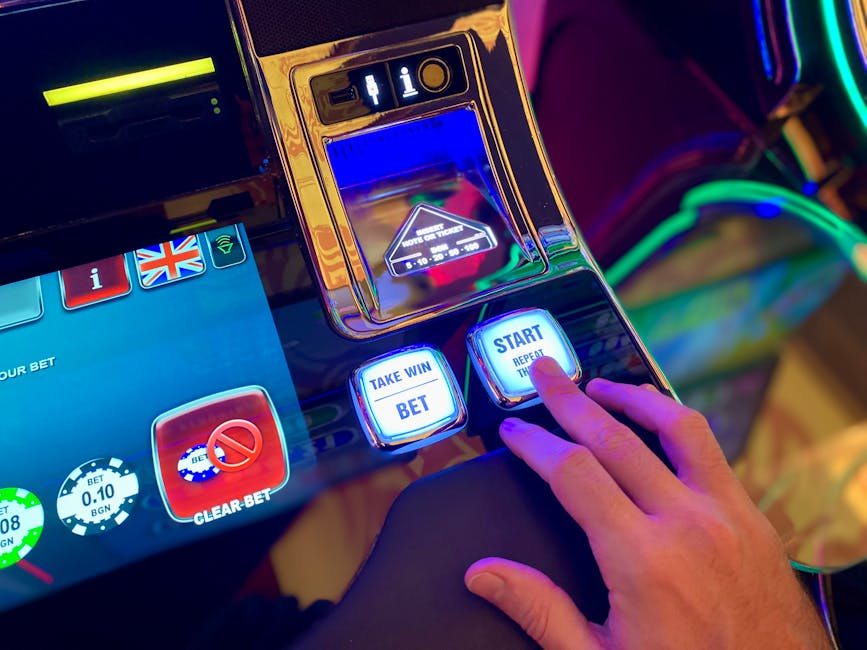
Look at visual cohesion, not just the theme
When comparing games, pay attention to how well the parts fit together. Consider the relationship between the reels, symbols, background, controls, and bonus screens. Does the interface feel consistent from the base game to the feature round? Are text and buttons legible against the artwork? These details can help you describe a game’s design, but they do not establish its maker.
Visual cohesion is also different from technical or regulatory quality. Polished artwork may make a game feel carefully produced, but attractive art is not evidence that a game has been independently tested or certified. To confirm who made a slot, look for provider information; to understand what the game does, read its rules and paytable.
Animation often reflects collaboration across teams
Slot animations can make a game feel distinctive: symbols may transform, reels may react to a win, or the screen may shift into a bonus sequence. These moments are usually part of a broader production effort. Art direction, animation, sound, interface design, and game implementation all have to work together.
That collaboration is one reason a game’s presentation may not match a simple idea of a single “studio style.” A provider may set the creative direction while different specialists develop the animation, interface, or other assets. External partners may also contribute. The finished game is better understood as a coordinated production than as the work of one person or one visual department.
Animation can help you recognize a game you have seen before, but it cannot tell you whether a spin will win. Motion, flashes, and sound effects are presentation choices. The rules—not the animation—explain how features are triggered and how symbols are evaluated.
A simple process for checking the studio name
- Find the game’s full title. Check the spelling in the casino catalogue so you can distinguish it from similarly named games.
- Open the game’s help or information menu. Look for “provider,” “studio,” “developer,” or a company logo.
- Check the catalogue entry. Search for a provider field or use a provider filter if the casino offers one.
- Compare more than one source. If the game page and in-game information disagree, check the provider’s official game listing or ask the operator’s support team to clarify.
- Keep attribution separate from other claims. A studio name tells you who is associated with the game; it does not replace reading the rules or checking relevant disclosures.
This process works whether you are browsing on desktop or mobile. On smaller screens, the key challenge is often visibility: provider names can be tucked into menus, squeezed beneath a title, or displayed in low-contrast text. Take a moment to expand the game or view its details rather than relying on the first screen you see.
Common mistakes when identifying a slot provider
- Confusing the casino with the studio. The operator hosts the game; the provider is the company to look for in the game details.
- Guessing from artwork alone. Similar themes and shared production approaches can make games from different providers look alike.
- Assuming one catalogue has every provider. Casino selections vary, and availability can change.
- Treating the logo as proof of certification. Branding identifies a company; it is not, on its own, evidence of testing or approval.
- Reading animation as a signal. Visual and audio effects present the game. They do not predict future results.
Bottom line
To find out who made a slot, look for the provider or studio name in the game’s information panel and the casino’s catalogue listing. The operator runs the casino and manages the player account system; the provider is the company associated with producing the game. A multi-provider catalogue may include titles from companies such as Pragmatic Play and Games Global, but the exact lineup depends on the casino.
Artwork and animation can make a slot recognizable, and visual cohesion can tell you something about its presentation. They cannot confirm authorship on their own. For a dependable answer, verify the studio name on the slot or in the provider info in the casino—and keep what the rules say separate from what the visuals suggest.