Do You Need Fast Reflexes to Play Bingo?
Many people wonder if playing bingo requires quick reflexes like fast-paced video games or competitive sports. The short answer is: no. Bingo is a game designed around simple rules, easy gameplay, and a casual pace. This makes it accessible to almost everyone, whether you’re in a lively bingo hall or tapping away on a tablet at home. In this post, we’ll explore why reflexes aren’t key to enjoying bingo, how anticipation and suspense come from uncertainty rather than speed, and how modern tools like computers and tablets keep the classic game both familiar and fresh.
Why Simple Rules Mean No Fast Reflexes Needed
Before getting into the “how,” it’s important to understand the why behind bingo’s accessibility. The game itself revolves around matching numbers called out at random against numbers on your card. There’s no complicated controls to master, no need to click or swipe quickly, and no typical “gaming skills” like aiming or timing. As a result, players of all ages and abilities can join in without feeling pressured to react quickly.
For example, consider a traditional bingo hall. After each number is announced, players calmly mark the number on their paper card. The pace isn’t frantic; it allows time to confirm you have the right number and enjoy the social scene around you. The same principle carries over to digital versions played on computers and tablets. These devices display numbers clearly without requiring rapid reactions from players. The interface focuses on ease of use, often with “auto-daub” options that mark numbers for you.
Easy Gameplay for Everyone
- No complicated controls: Unlike many video games, bingo requires very basic interaction—just marking or confirming numbers.
- Accessible to all skill levels: First-timers and seasoned players follow the same simple process.
- Casual pace: The game moves steadily, not quickly, reducing any need for speed or quick decision-making.
The Role of Anticipation and Suspense
Although fast reflexes aren't necessary, bingo still creates excitement through suspense and uncertainty. Players don’t know which number comes next, and the thrill builds as their cards fill up closer to a winning pattern. The tension is mental and social, not physical.
In a typical bingo hall, anticipation grows with every number called. You watch other players closely, quietly hoping they don’t call your winning number before you get a chance. This shared moment enhances community spirit and keeps people engaged throughout the session.
Online bingo platforms replicate this suspense digitally, but at a more relaxed pace. Computers or tablets display numbers as they’re drawn, often accompanied by sound effects or animations to heighten tension. Even on these platforms, https://varimail.com/articles/what-should-i-expect-the-first-time-i-try-online-bingo/ there's no rush to daub a number immediately — the game makes sure players have enough time to react comfortably.

From Uncertainty Comes Engagement
- Numbers are random, so outcomes can’t be predicted or rushed.
- Players focus on pattern completion, creating a mental challenge rather than a physical one.
- Social interaction in physical halls or chat features online add a lively layer of community.
Bingo Halls and Community Events: Social Pacing Over Speed
Bingo halls and community events remain popular for good reason: they blend easy gameplay with social connection. These events emphasize participation over performance. The slower pace and straightforward rules make sure nobody feels left behind due to a lack of speed.
My experience running weekly charity bingo nights confirms that the game naturally invites people to relax and enjoy their time without stressing about who’s fastest. Instead, people chat, laugh, and cheer for each other, making the whole experience about community rather than competition.
Consider a typical night at a local bingo hall:
- The host calls numbers steadily, giving players time to mark their cards along with chatting or grabbing snacks.
- Players often share stories or jokes during breaks, keeping the atmosphere light and friendly.
- There’s no penalty for missing a number quickly; simply marking it when you notice is perfectly fine.
Online Bingo: Convenience Without Compromising Casual Pace
Online bingo platforms on computers and tablets bring the same easy gameplay and casual pace to your fingertips. They cater to those who want the excitement and community from home or on the go. These platforms usually include user-friendly features addressing any hesitation about needing fast reflexes:
- Auto-daub: Automatically marks called numbers for you, removing any time pressure.
- Adjustable speed: Players can often adjust how quickly numbers are called, matching their comfort level.
- Chat rooms and social features: Connect with other players without hastiness or competing for speed.
For example, playing bingo on a tablet allows users to sit back and tap comfortably without rushing. The interface is designed for simplicity—clear fonts, large buttons, and no complicated menus. Even those unfamiliar with technology can pick up the game easily, making it a truly accessible pastime.
Why Technology Doesn’t Make Bingo Faster
Some might assume that playing on a device makes the game quicker or requires faster reactions. In reality, developers carefully preserve bingo’s relaxing tempo. Unlike action games, speed would actually diminish the core appeal of anticipation and community fun.
In summary, technology enhances accessibility and convenience without making bingo a race against the clock.
Conclusion: Fast Reflexes Are Not Needed to Enjoy Bingo
Bingo’s charm lies in its simplicity and social nature. You don’t need quick reflexes to play or win. The game offers easy gameplay, no complicated controls, and a casual pace that welcomes everyone.
Whether you’re in a bustling bingo hall or enjoying a game on your computer or tablet at home, the experience focuses on anticipation, suspense, and community—none of which require speed. So, if you’re curious about trying bingo but worry about fast reactions, you can relax. The game is designed for your leisure and enjoyment.
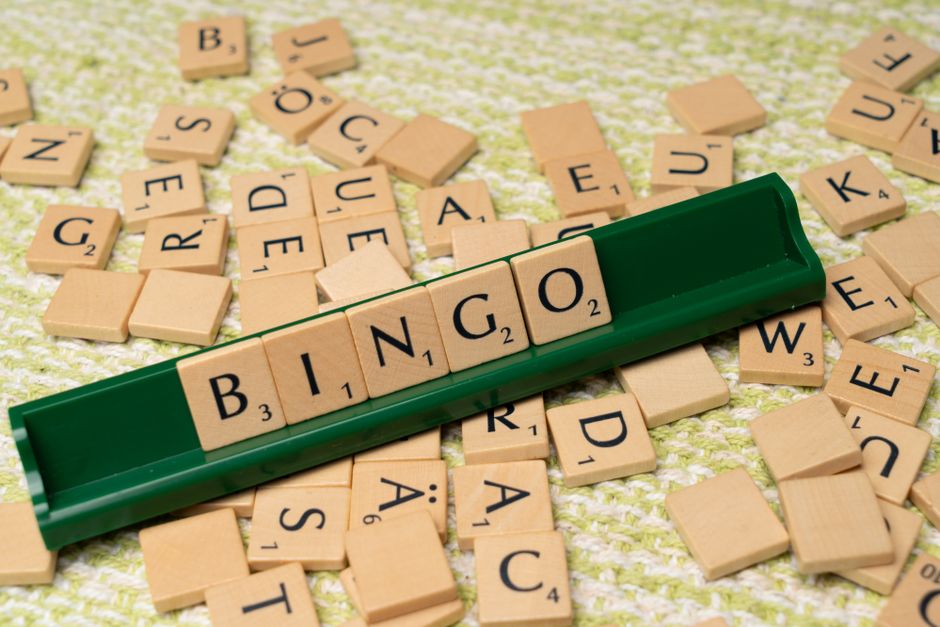
In an era of fast-moving games and flashy technology, bingo stands as a reminder that some pastimes thrive on simple human connection and low barrier games calm fun rather than reflex-based competition. And with modern tools like tablets and computers making participation easy, the classic game continues to be a favourite for all ages.